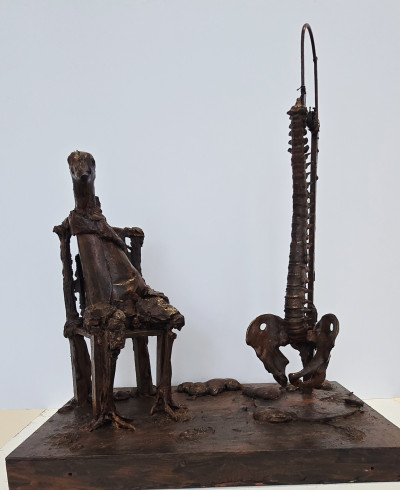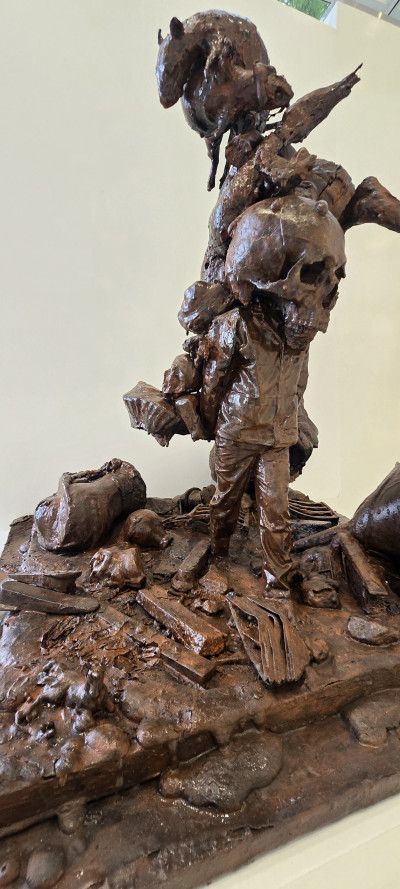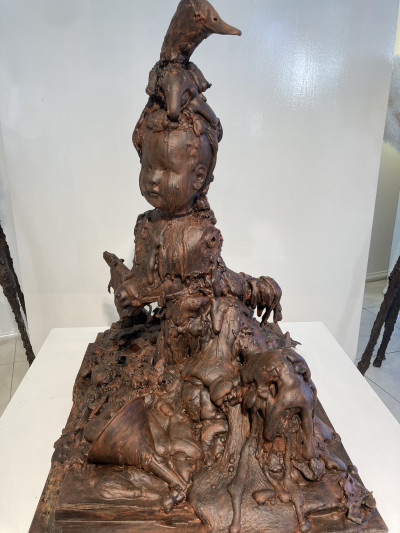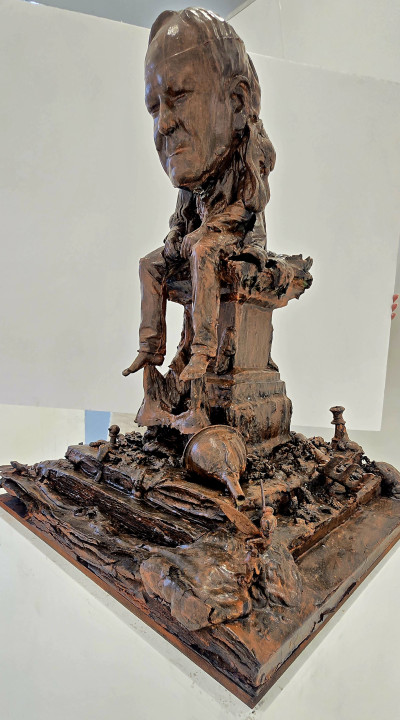
April 25, 2026 - May 18, 2026
492 Fehrsen Street, Pretoria, South Africa
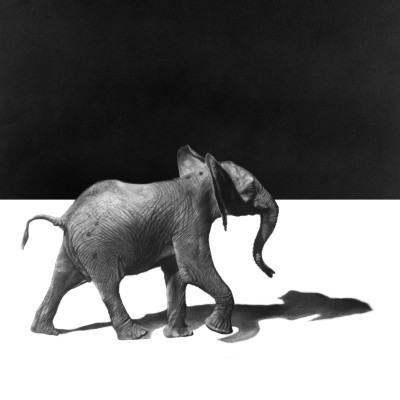
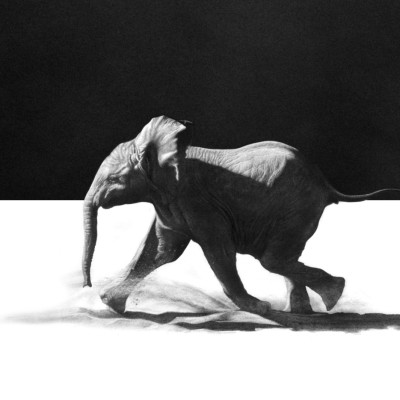
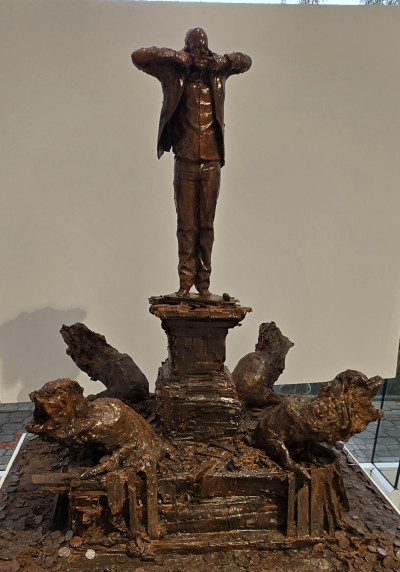
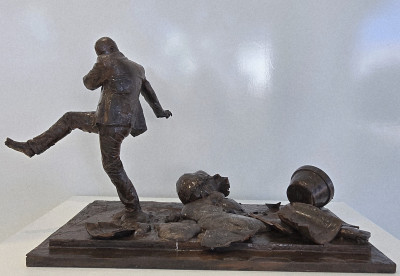
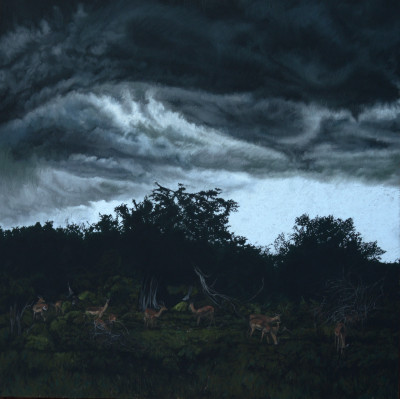
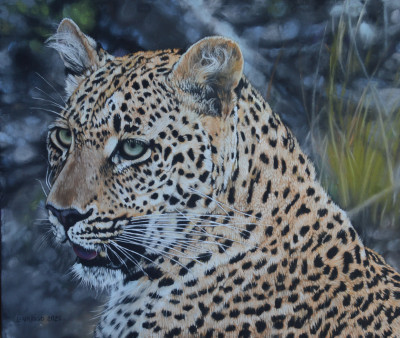
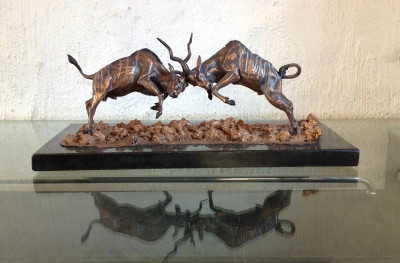
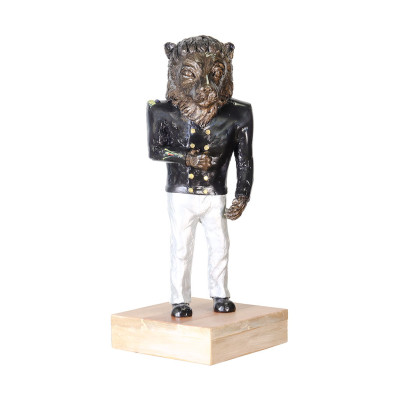
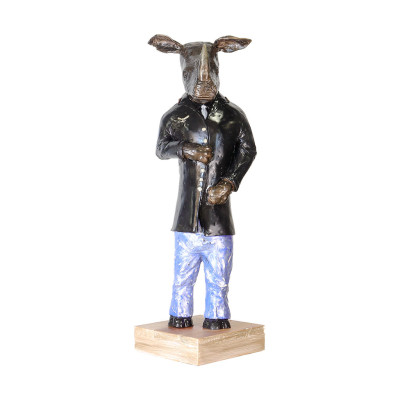
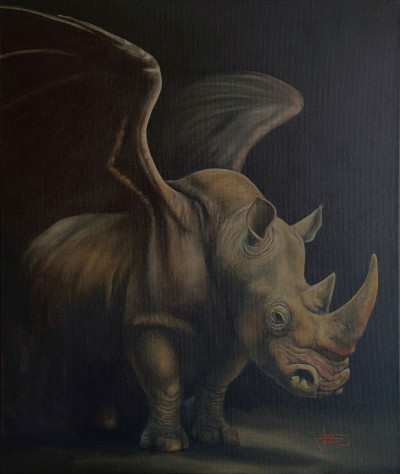
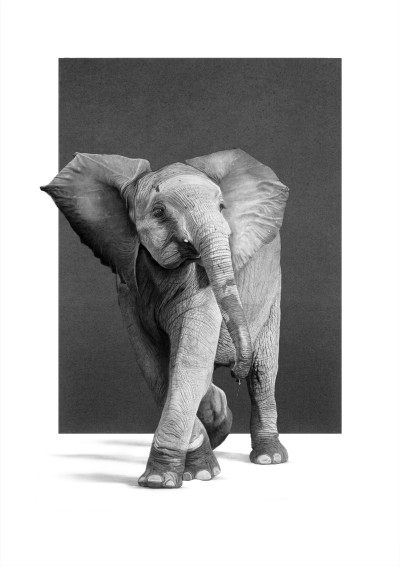
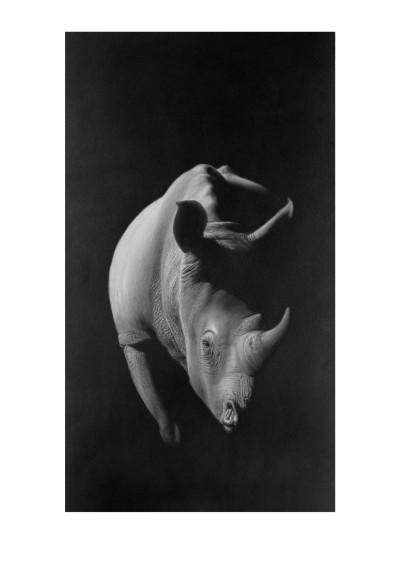
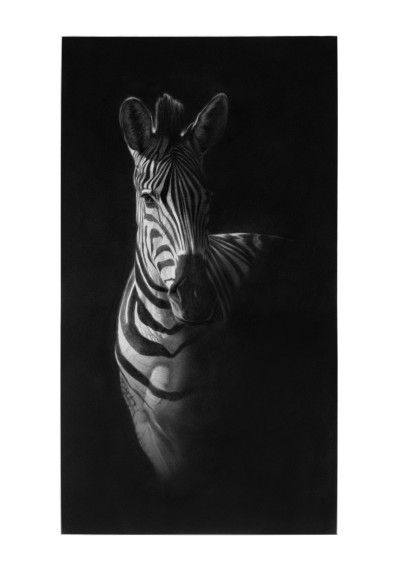
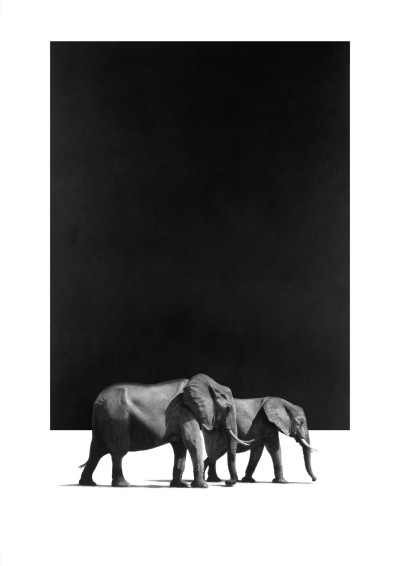
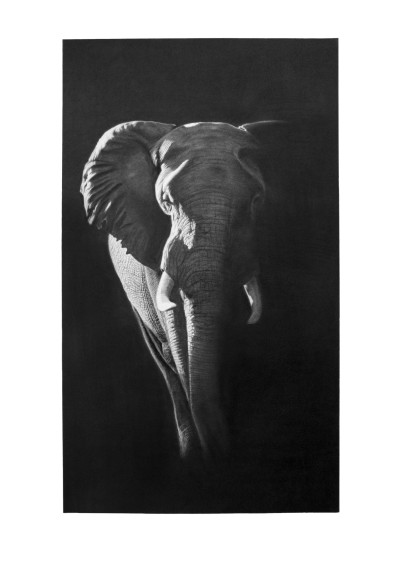
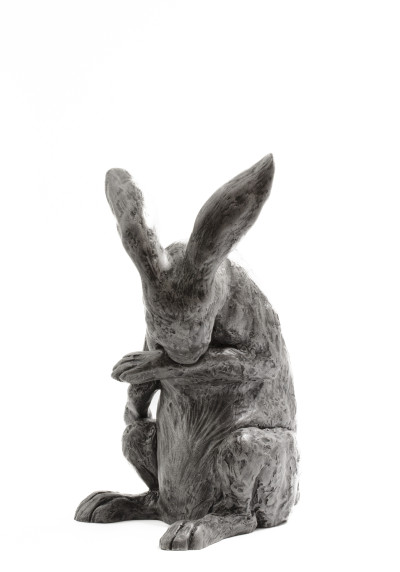
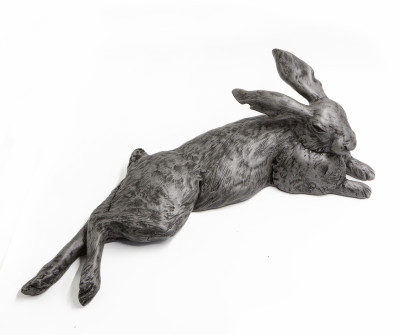
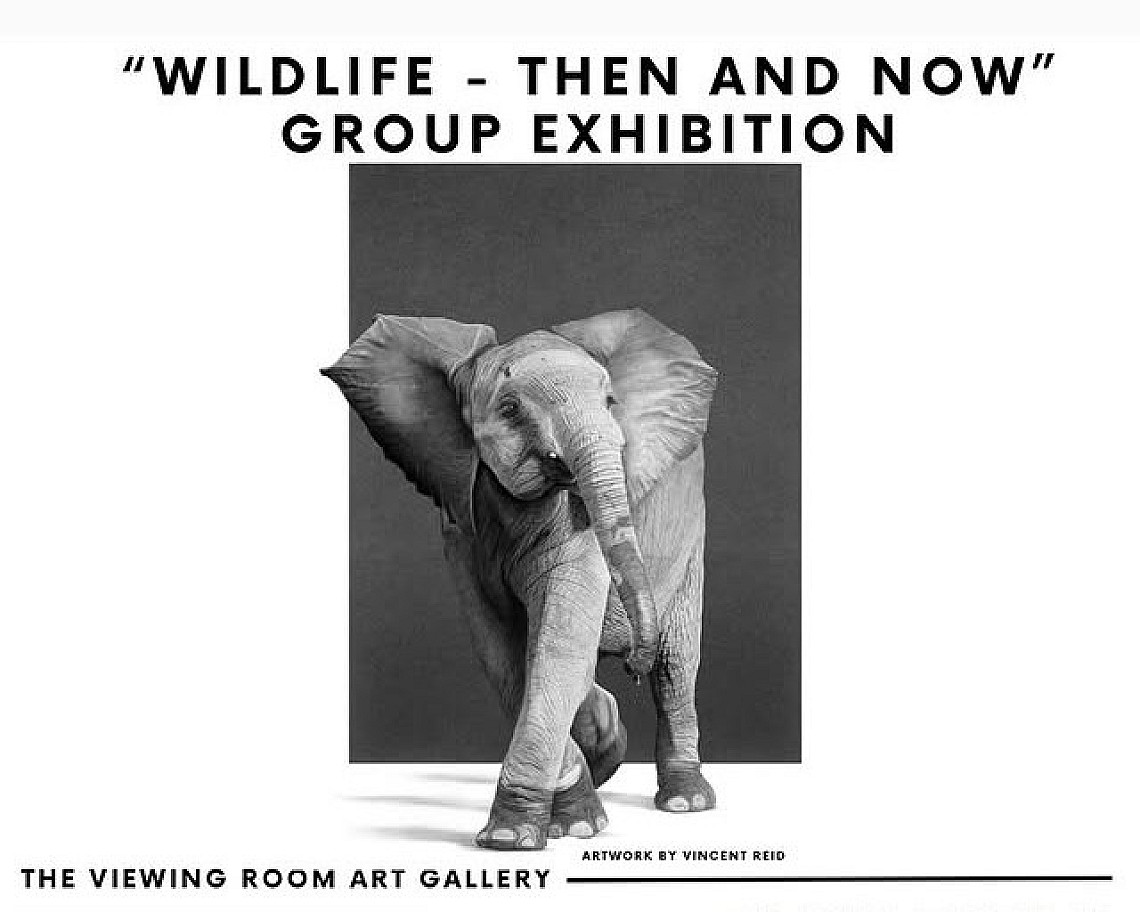
“Wildlife: Then & Now” examines not only how wildlife is depicted, but why it has been depicted across generations. As the natural world faces unprecedented pressure, wildlife art has become both a record of what exists and a response to what is being lost.
Traditional Wildlife Art: The Importance of Documentation
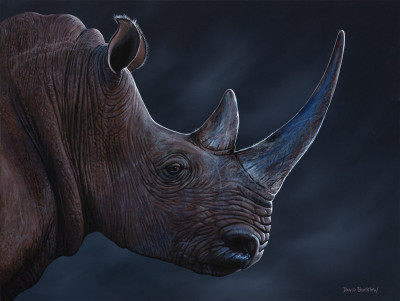
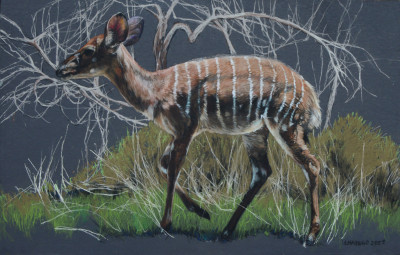
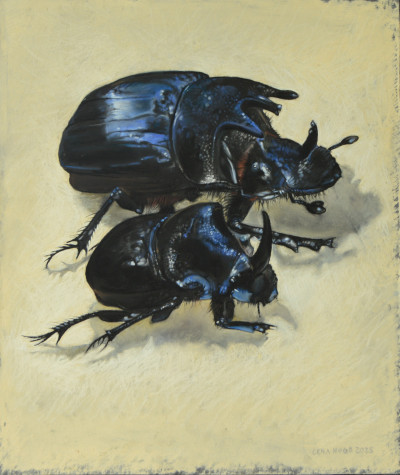
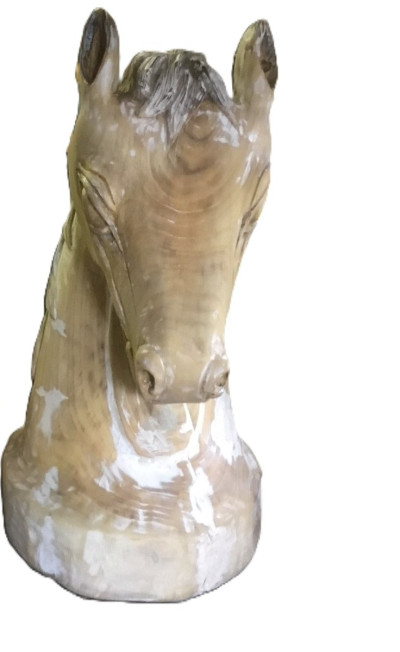
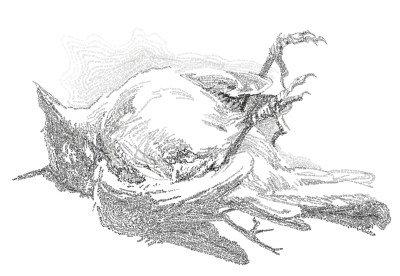
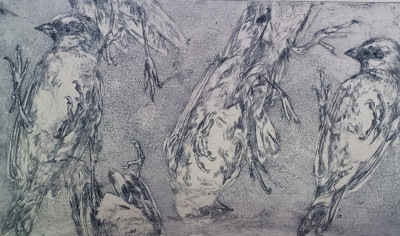
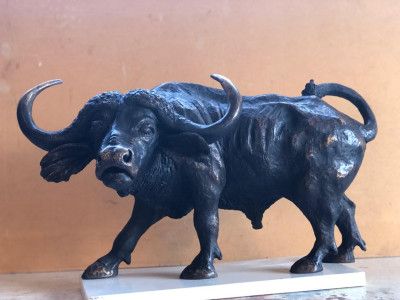
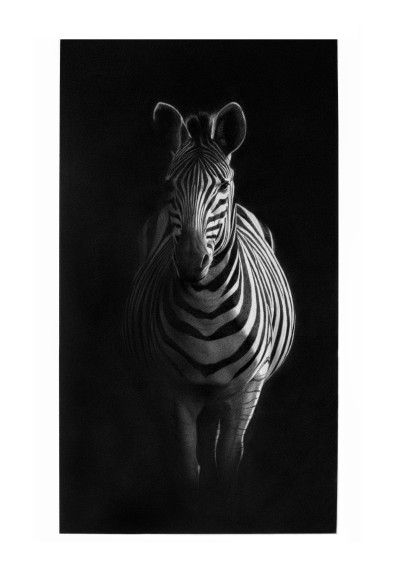
Traditional wildlife art has long served as a bridge between science, culture, and art. Rooted in close observation, anatomical accuracy, and time spent in nature, these works do more than celebrate beauty—they document life on Earth.
Before photography became widespread, artists were often the primary visual recorders of species, habitats, and behaviors. Even today, traditional wildlife art continues to play a critical role by:
Preserving visual records of species that are rare, endangered, or disappearing
Capturing ecological details that photographs may miss
Reflecting historical ecosystems and landscapes that have since changed or vanished
Supporting conservation science, education, and public awareness
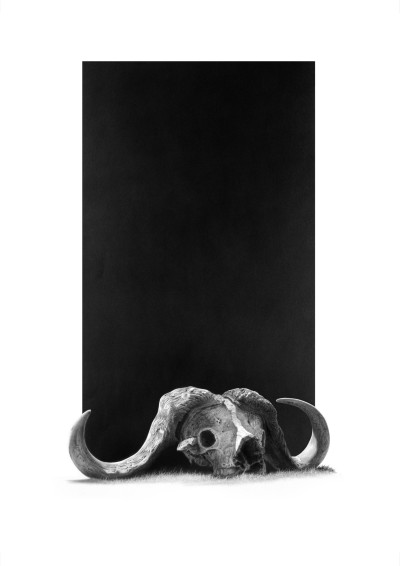
In an era of rapid environmental change, traditional wildlife art increasingly functions as an archive of biodiversity—a reminder that what is painted today may not exist tomorrow.
Modern & Contemporary Wildlife Art: Tribulations in a Changing World
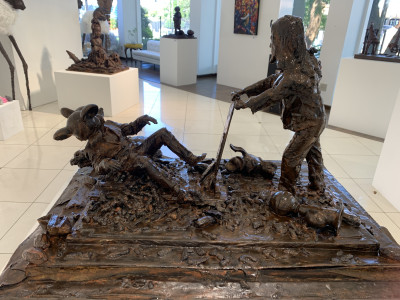
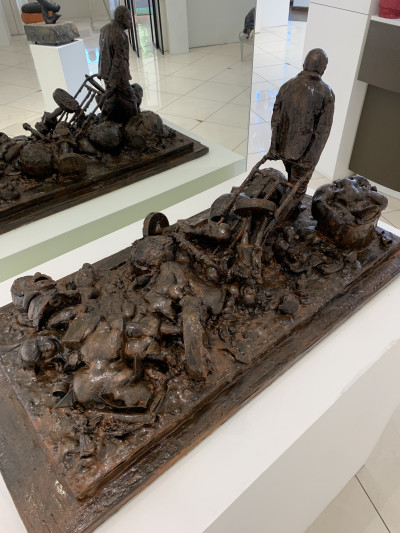
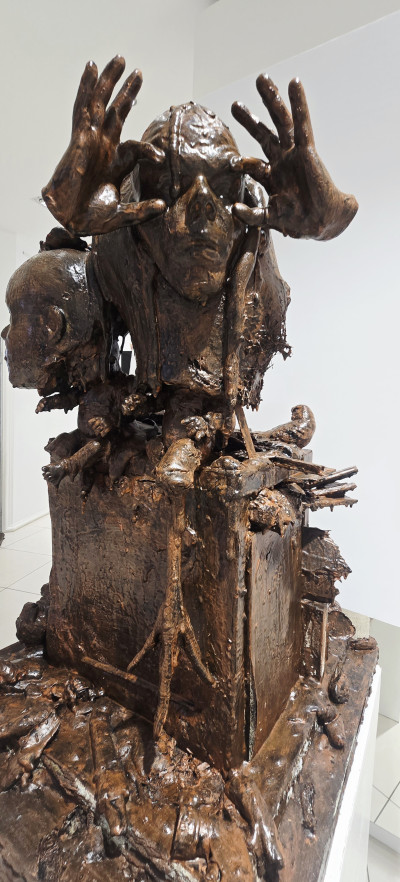
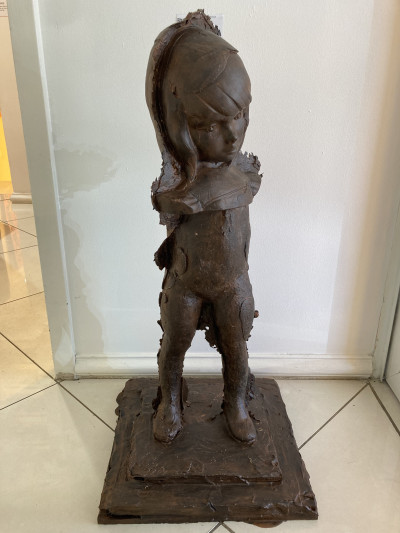
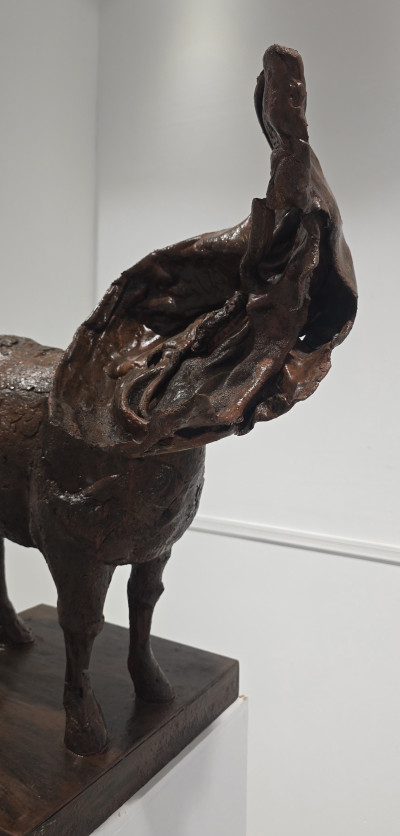
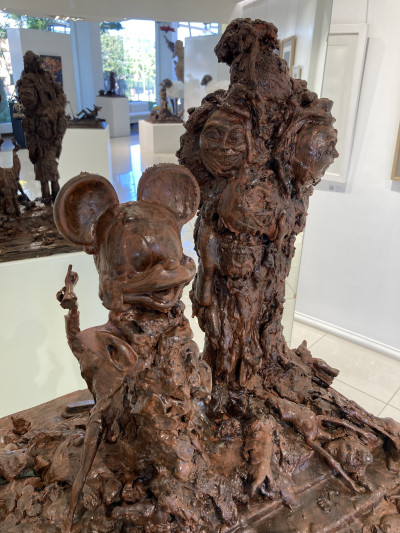
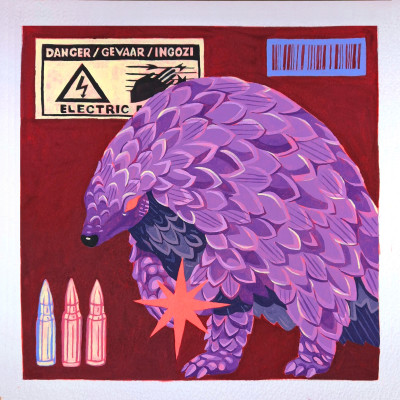
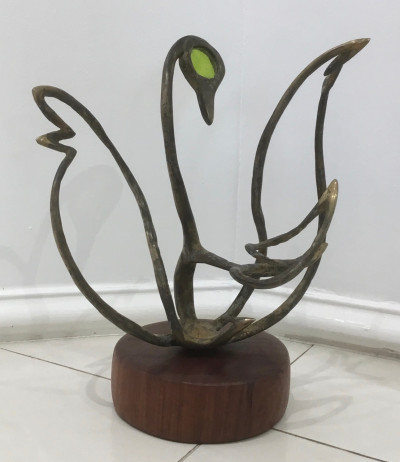
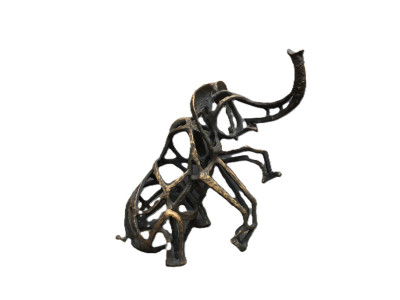
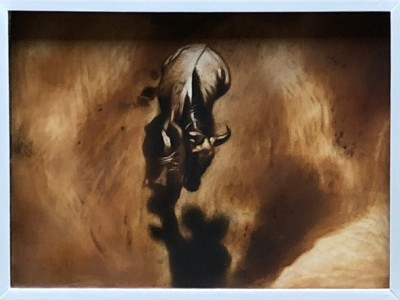
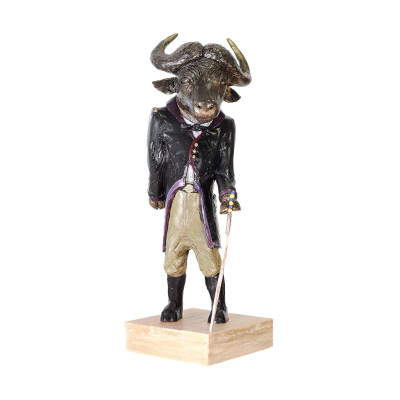
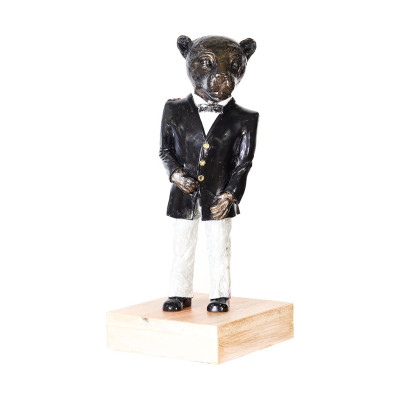
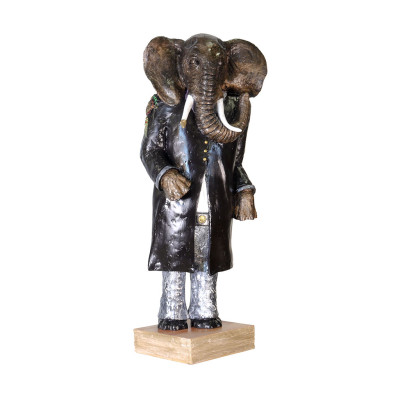
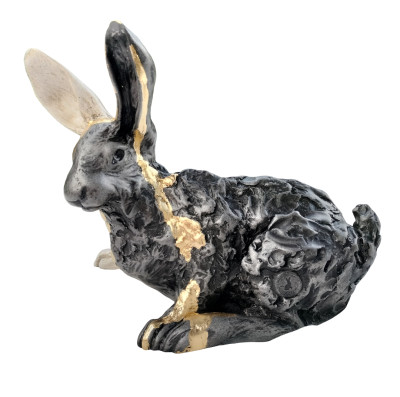
Modern wildlife art confronts the reality that animals no longer exist in isolation from human influence. Habitat loss, climate change, pollution, poaching, and urban expansion have reshaped the lives of wild species, and contemporary artists respond by addressing these pressures directly.
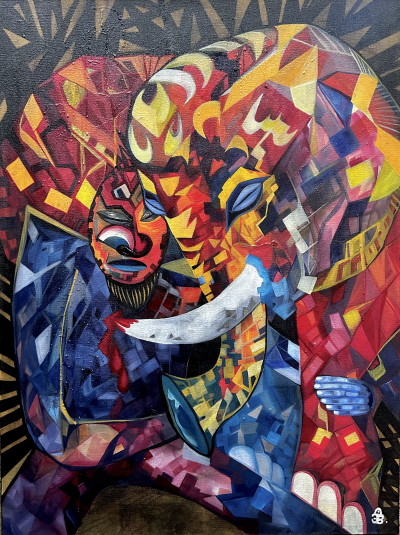
Rather than focusing solely on realism, modern artists often:
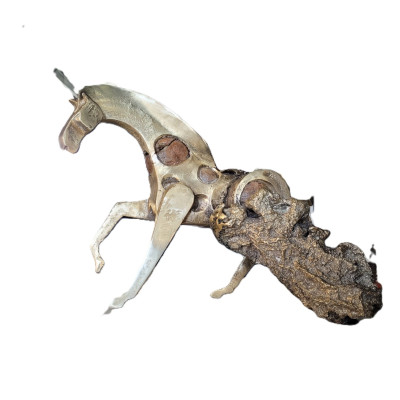
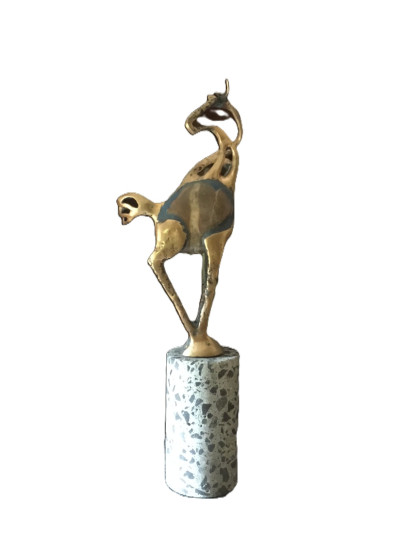
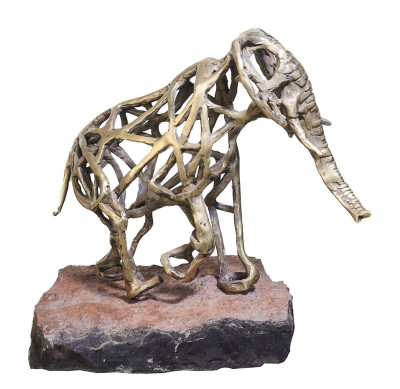
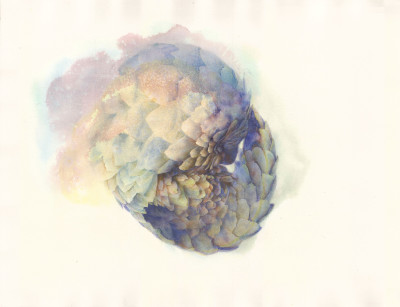
Use abstraction or distortion to convey stress, displacement, or vulnerability
Incorporate industrial or recycled materials to reference environmental damage
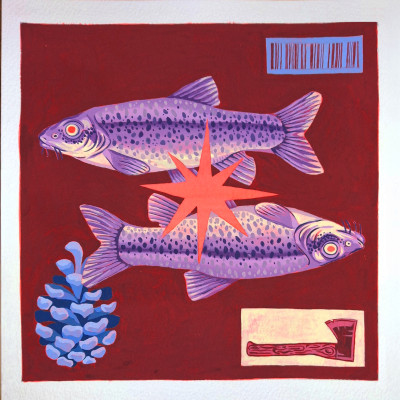
Employ digital media to reflect surveillance, data, or extinction timelines
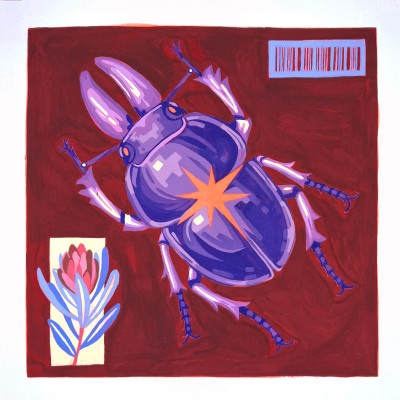
Use symbolism to explore themes of loss, coexistence, and responsibility
These works ask viewers to confront difficult truths: shrinking habitats, declining populations, and the ethical role humans play in shaping the future of wildlife.