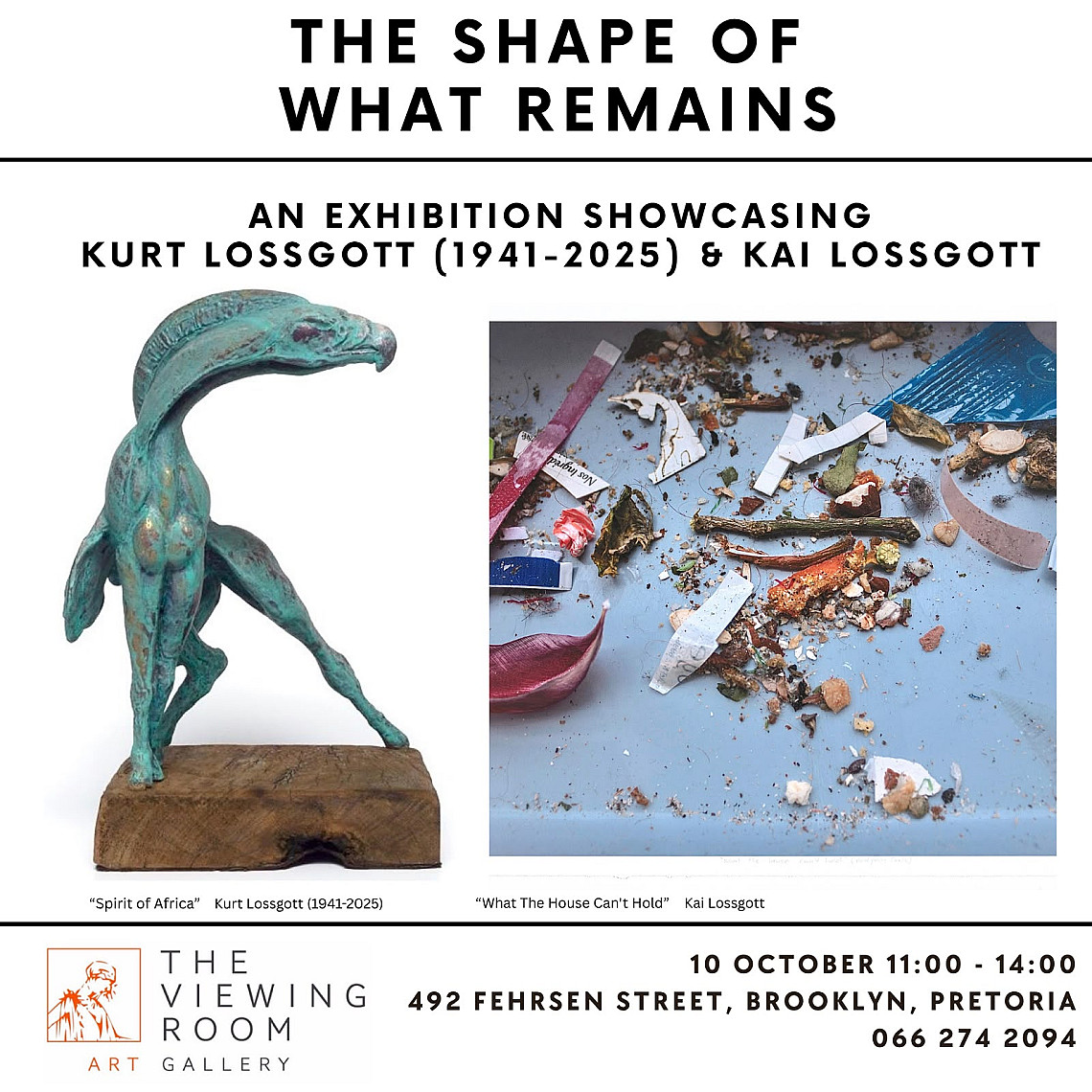
October 10, 2026 - November 02, 2026
The Viewing Room Art Gallery, 492 Fehrsen Street, Brooklyn, Pretoria
The Shape of What Remains
What remains?
A body leaves a trace. A life leaves objects. A city leaves waste. A landscape leaves its forms in memory. Materials survive their intended uses and, sometimes, become something else.
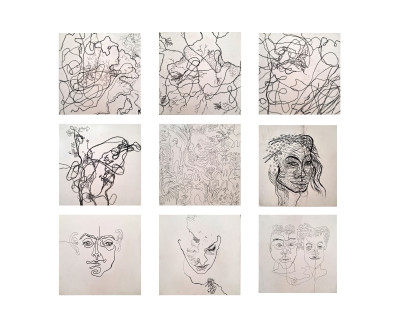
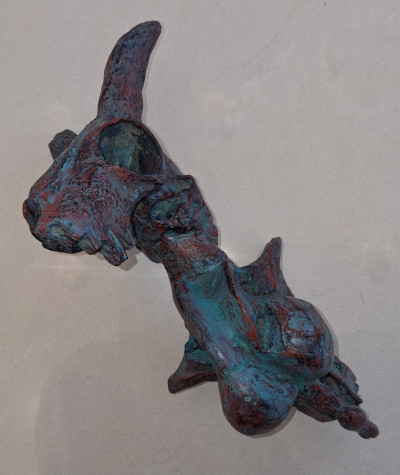
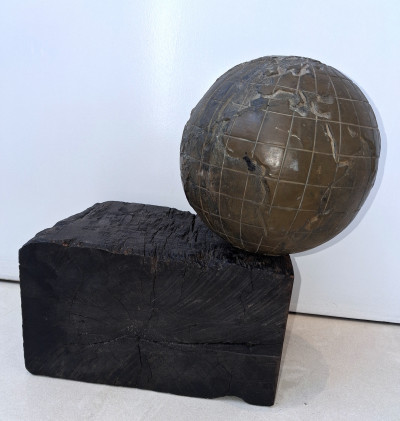
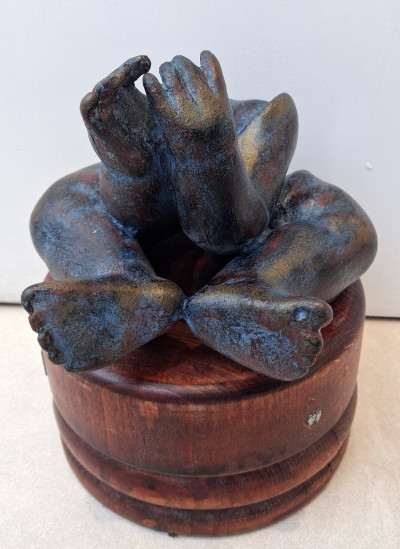
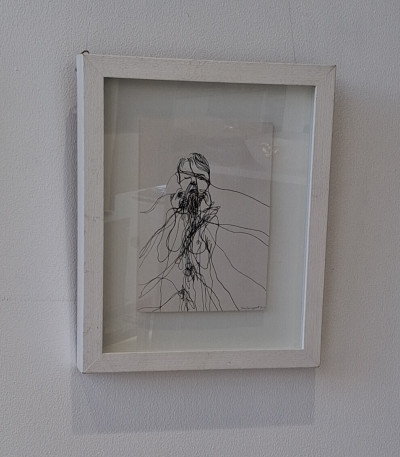
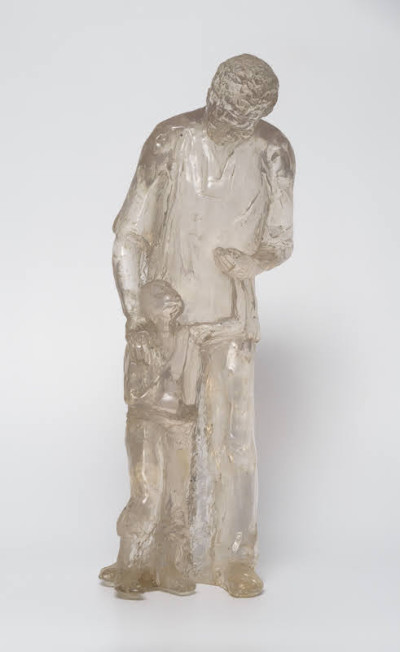
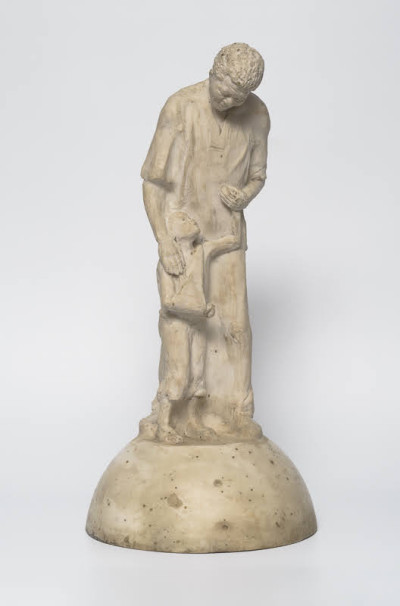
The Shape of What Remains brings together the work of Kurt Lossgott (1941–2025) and Kai Lossgott (b. 1980), a father and son whose practices, separated by generation and medium, nevertheless return repeatedly to questions of matter, transformation and the relationship between human beings and the more-than-human world.
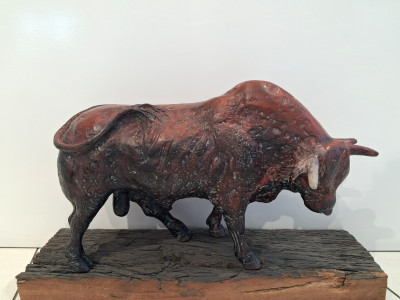
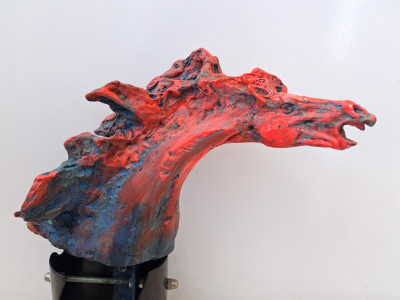
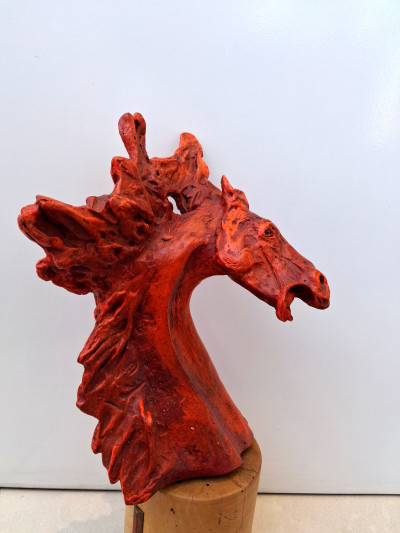
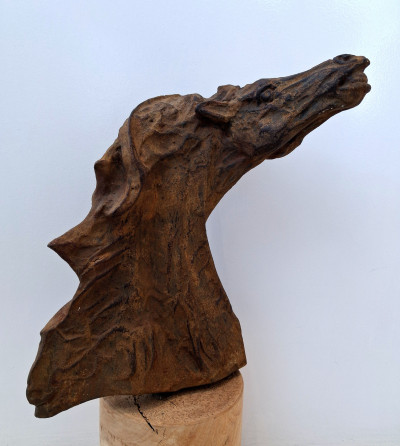
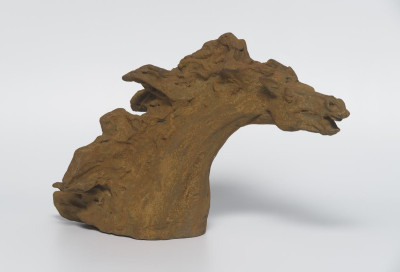
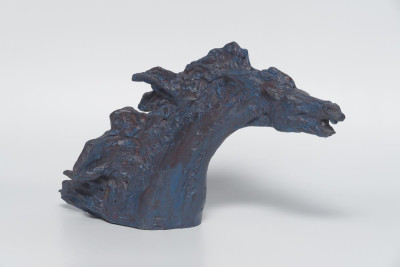
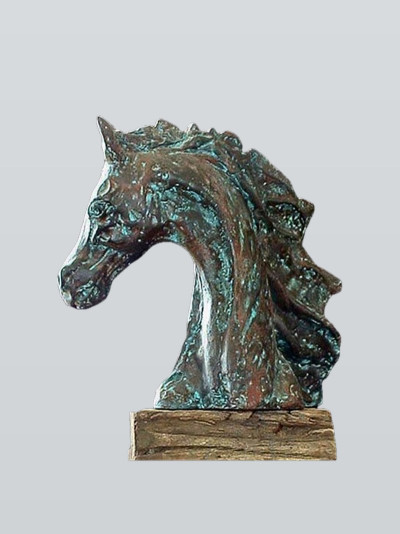
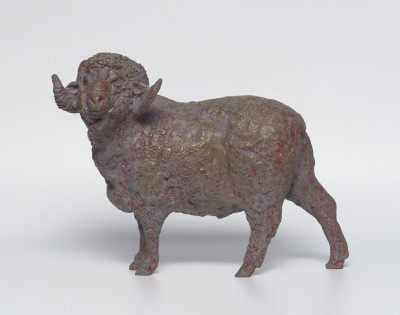
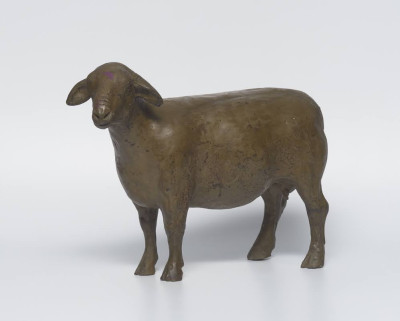
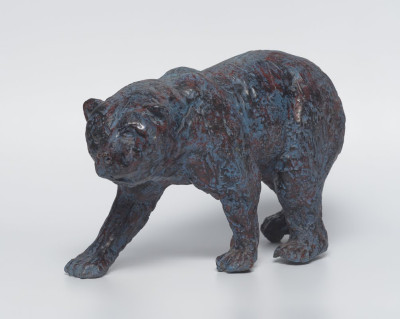
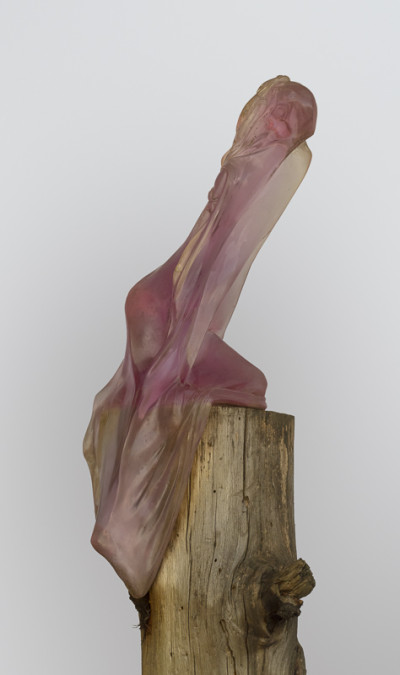
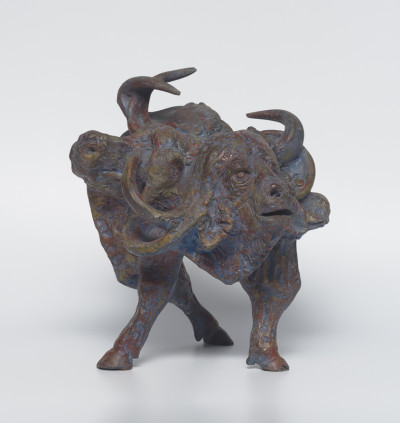
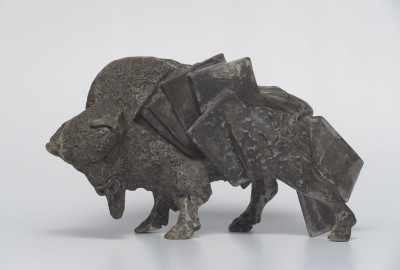
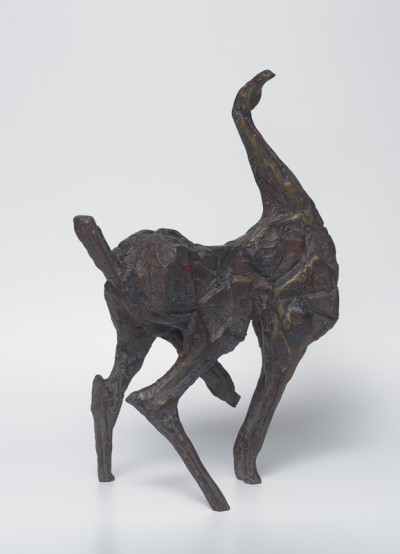
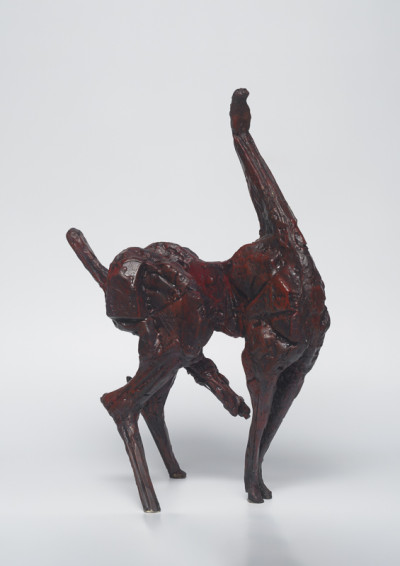
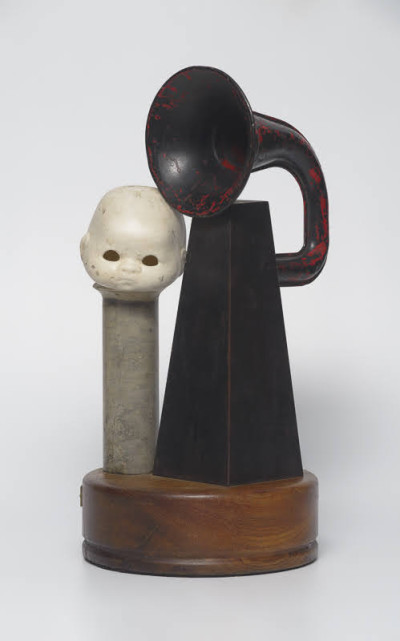
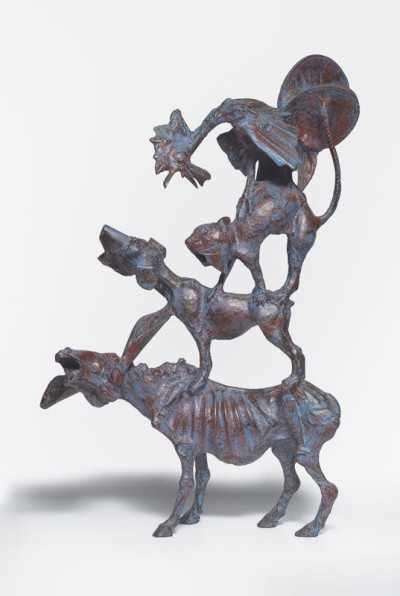
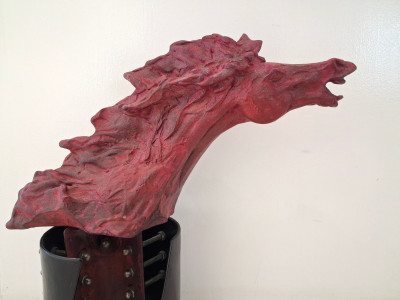
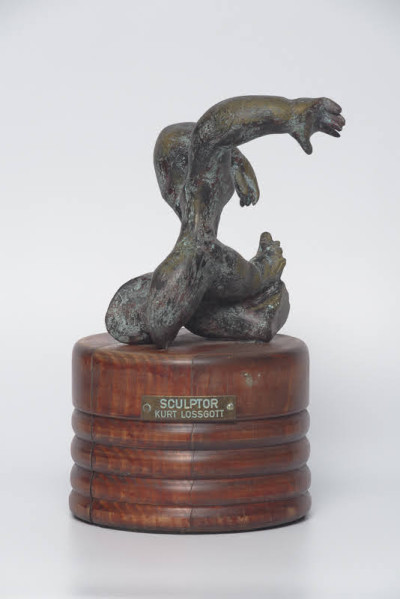
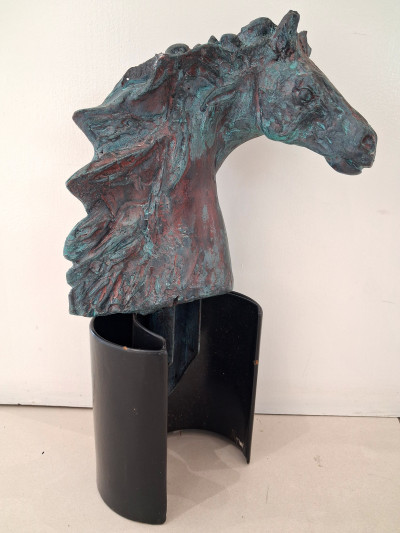
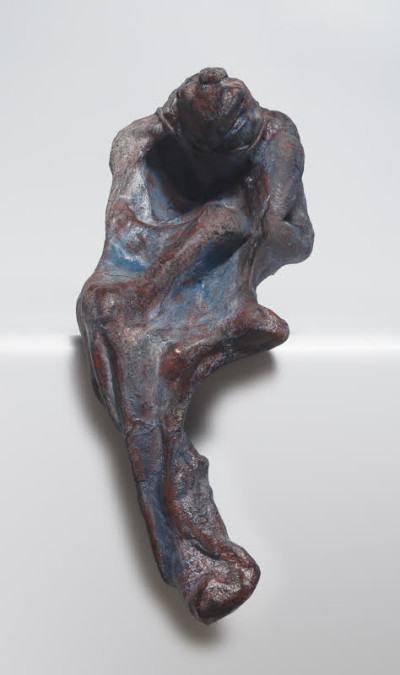
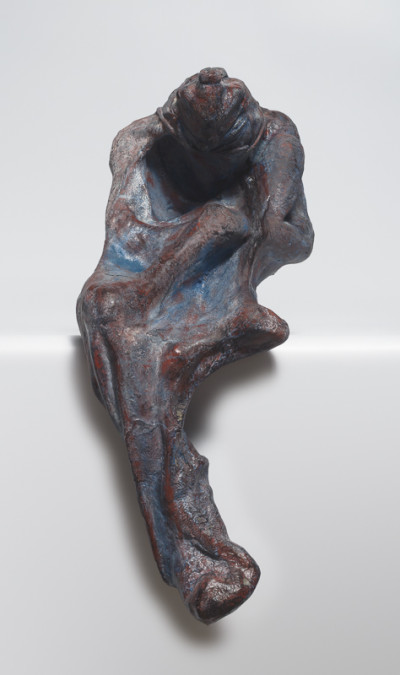
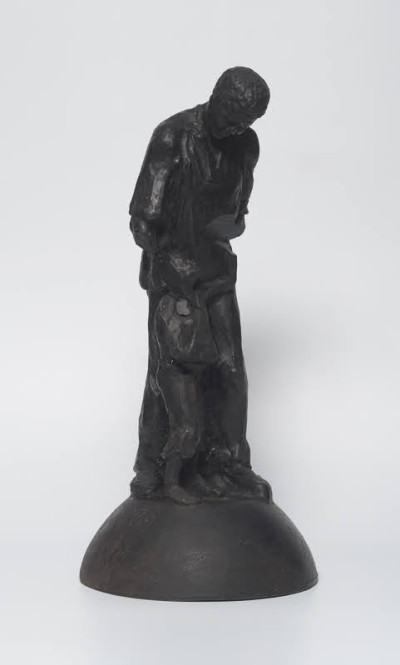
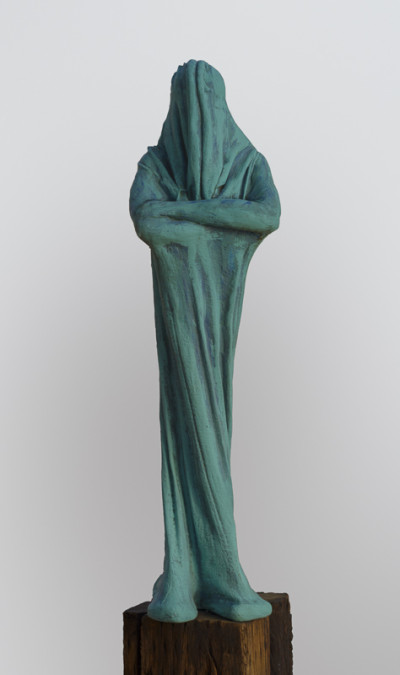
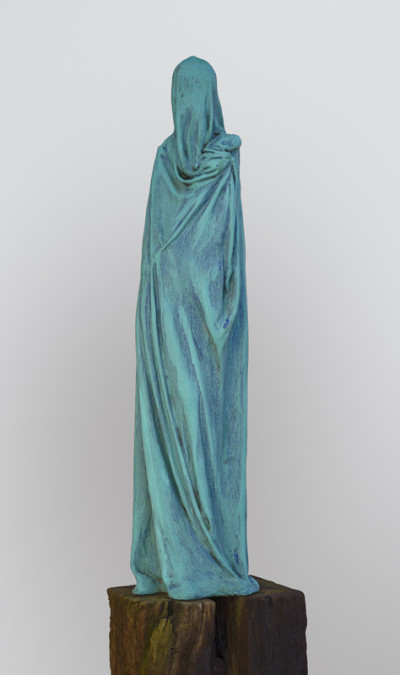
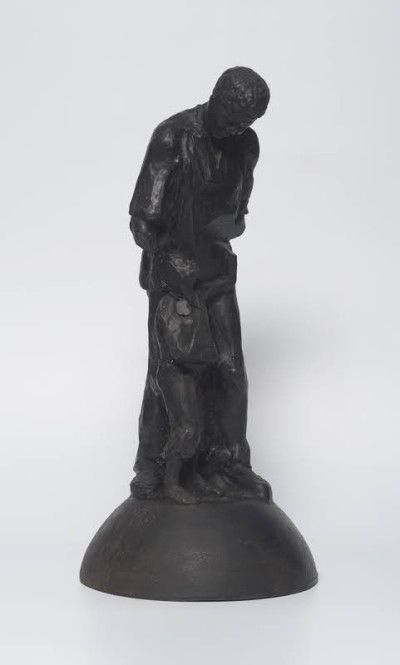
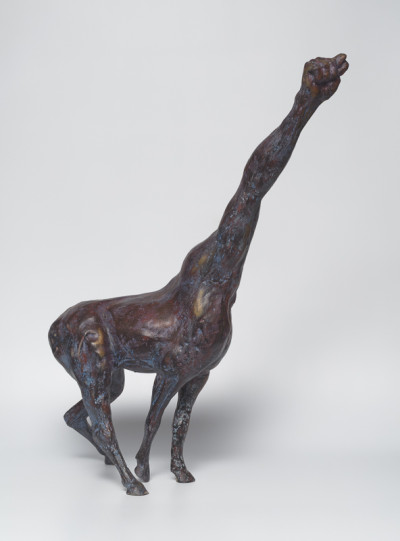
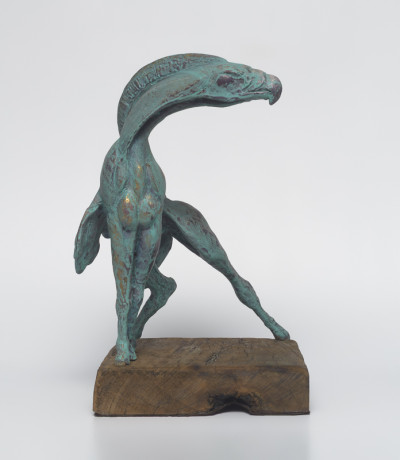
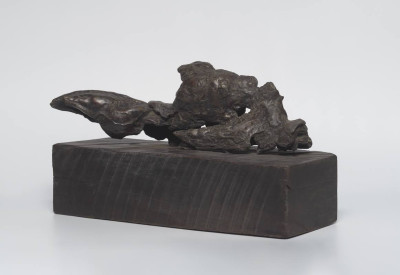
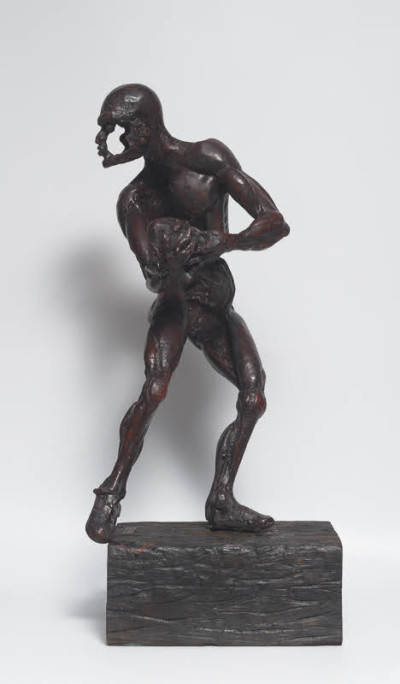
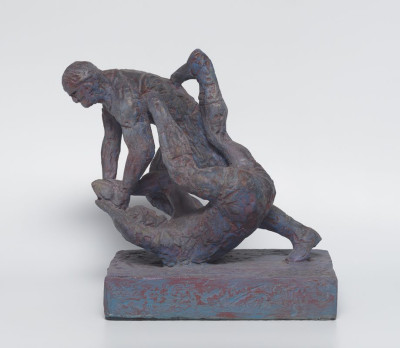
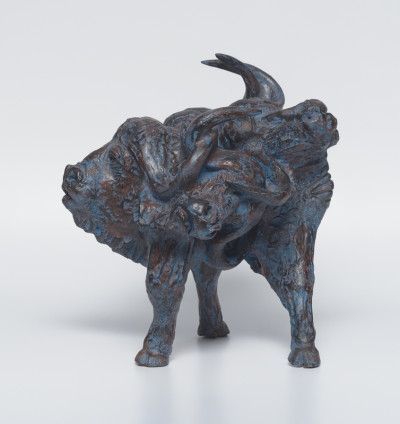
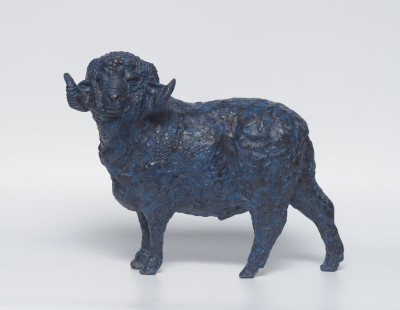
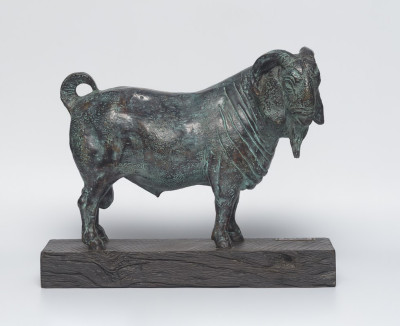
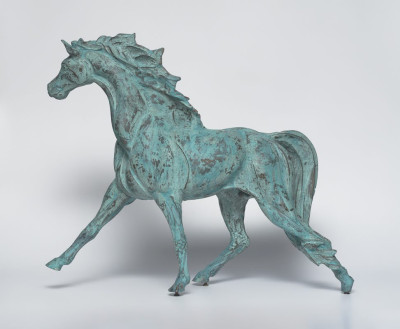
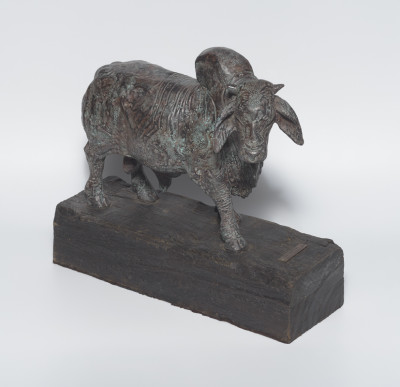
Kurt Lossgott began with the physical world of industry: discarded machine parts, scrap metal, tools and fragments whose original functions had been exhausted. Through welding and construction, these remnants acquired bodies. A piece of metal could become a horse in motion; mechanical debris could become an animal, a musician or a strange anthropomorphic figure. Later, through bronze, wax and mould-making, Lossgott pursued increasingly refined forms, but the fundamental gesture remained: to encounter matter and ask what else it might become.
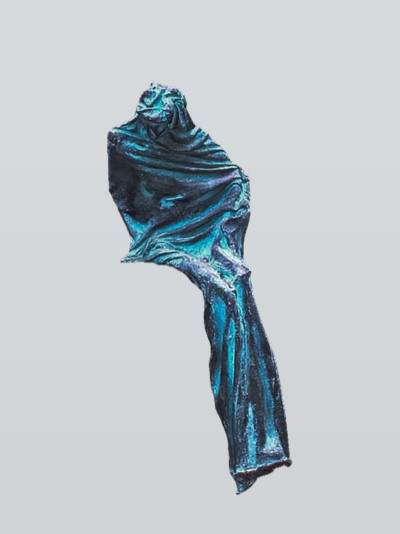
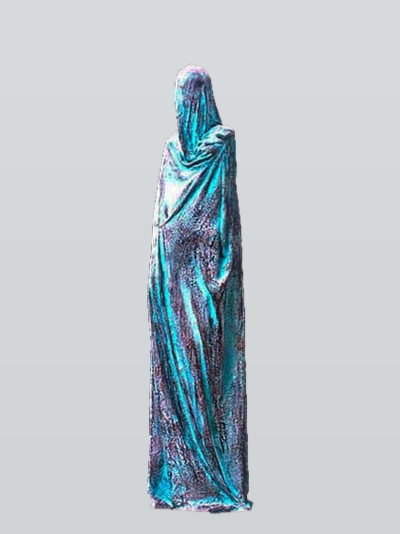
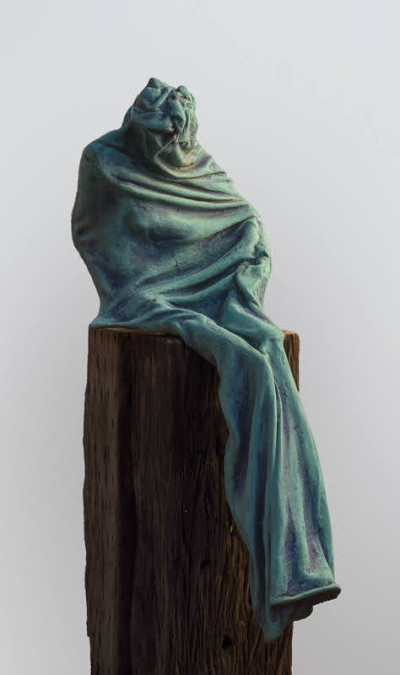
His animals are not simply representations of animals. They are studies in presence — in weight, movement, alertness and spirit. The horse, bull, ram or bird exists simultaneously as observed creature and imaginative proposition. In the later Spirit and Tomorrow’s Angels works, this process moves further from representation towards archetype: bodies become vessels for questions about mortality, mystery and transformation. The material object remains solidly present, while its meaning becomes deliberately unstable.
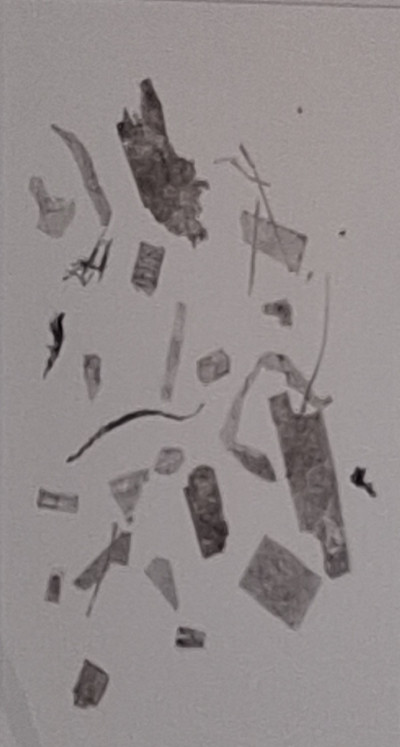
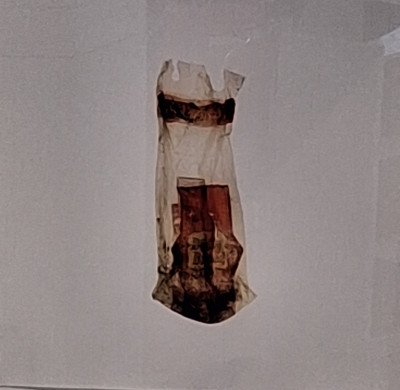
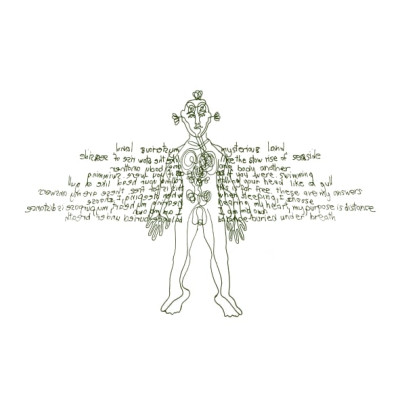
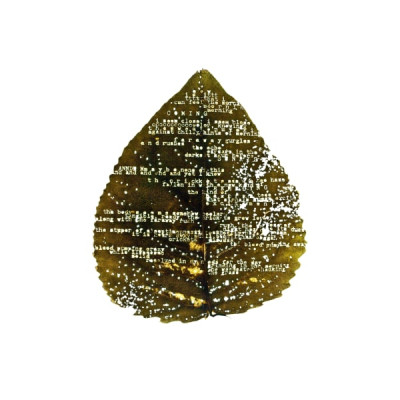
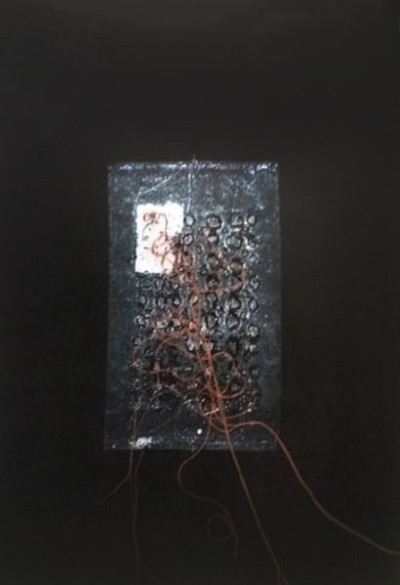
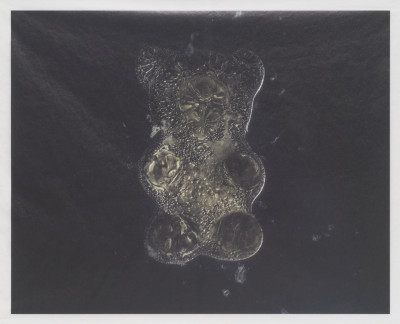
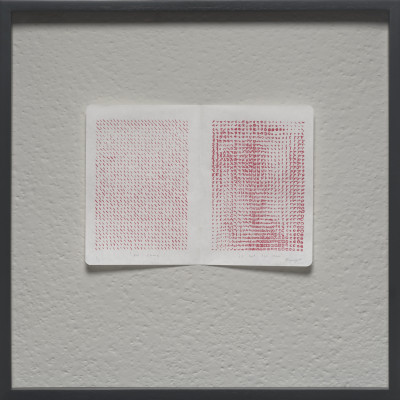
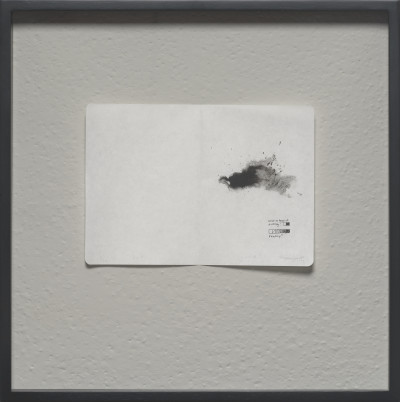
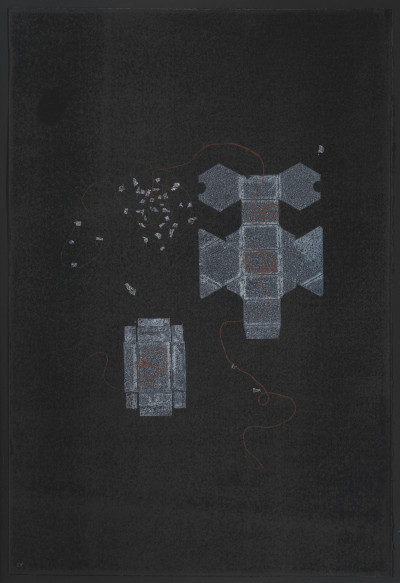
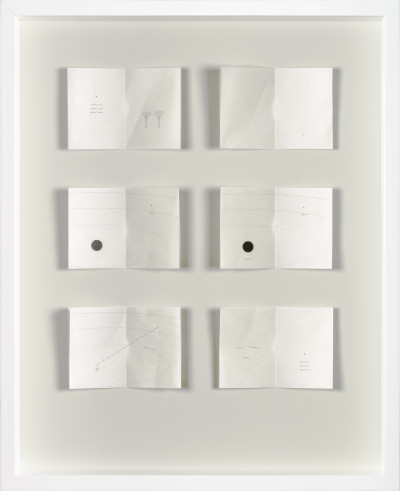
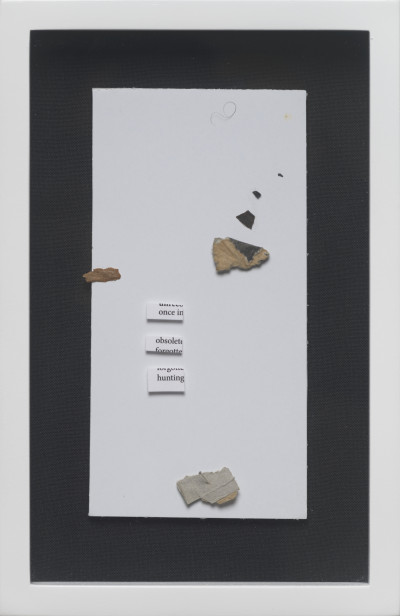
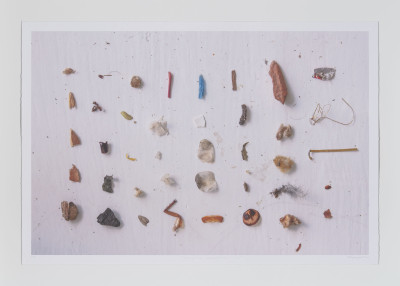
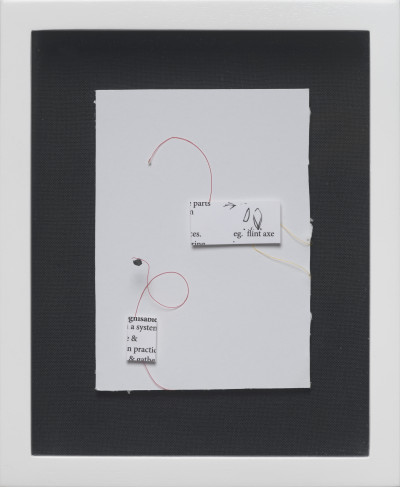
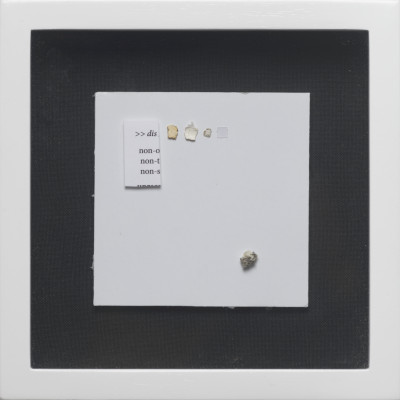
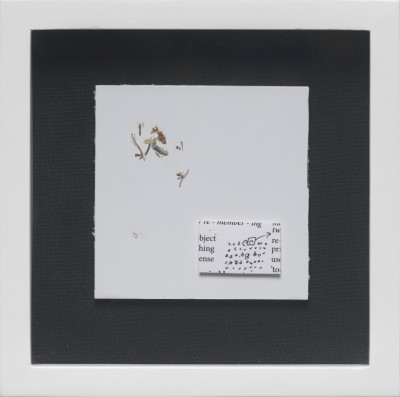
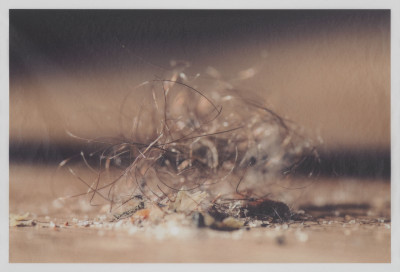
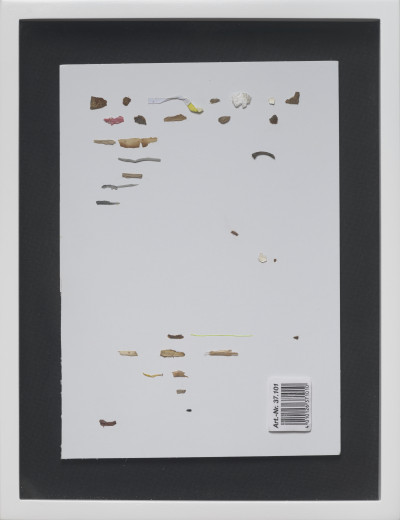
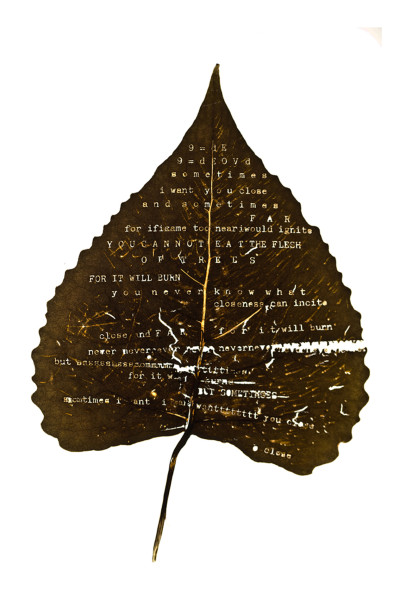
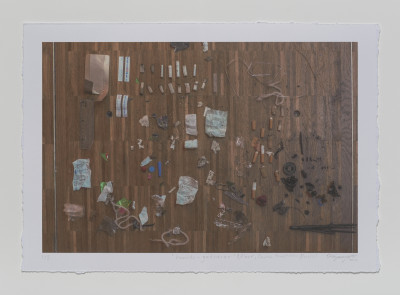
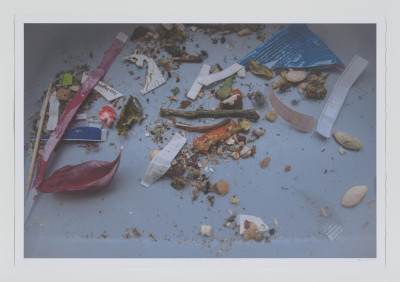
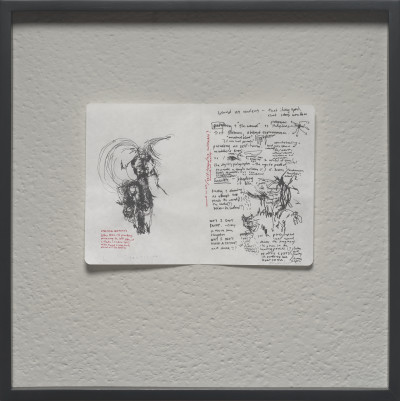
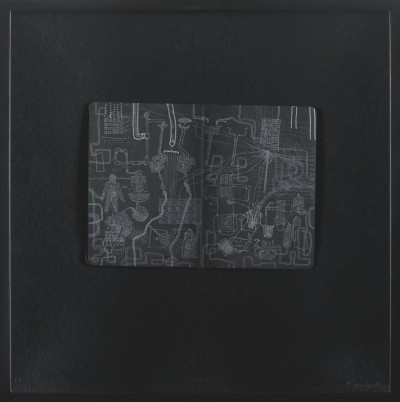
Kai Lossgott begins from a different condition of matter: the world after use. Plastic packaging, discarded objects, leaves, photographs, fragments and urban detritus become evidence of the systems that produced them. In works such as hunter-gatherer, waste is collected, classified and temporarily transformed into a wearable object. Elsewhere, the leaf becomes a surface for language. The supposedly insignificant becomes something to look at closely.
Here, waste is not simply a symbol of environmental damage. It has a strange persistence of its own. The discarded object outlives the moment for which it was manufactured; the material refuses to disappear as quickly as its use-value suggests it should. Lossgott's work asks us to imagine the future archaeologist examining our civilisation through its refuse — a civilisation reconstructed not from its monuments but from what it threw away.
This creates an unexpected conversation between the two practices. Kurt takes the remnants of industrial production and gives them new bodies. Kai examines the remnants of consumer production and asks what kind of bodies, histories and futures they contain. One transforms matter through making; the other follows matter through systems of consumption, disposal and return.
The connection is therefore not simply familial. It is material.
Both artists are attentive to things that are usually overlooked: the scrap component, the animal body, the leaf, the discarded package, the fragment, the trace. Both challenge the distinction between the useful and the useless. Both suggest that matter is never quite finished with us.
Seen together, their works open a longer temporal field. Kurt's sculptures emerge from a twentieth-century world of machinery, migration, craftsmanship and South African public life. Kai's works confront a twenty-first-century landscape shaped by plastics, ecological crisis, digital images and the planetary consequences of consumption. Yet neither practice treats material as inert. Things carry histories. Things acquire meanings. Things persist.
Perhaps this is what remains: not permanence, but transformation.
The exhibition asks us to look again at the things that survive their original purpose — and to consider what forms they might take next.